
Hate speech, invented rumors or deceptively real deepfakes are no longer marginal phenomena – they can be used specifically against influencers and public figures. But when does a “shitstorm” become an illegal personality violation? And how can those affected effectively defend themselves?
Case study: character assassination by Deepfake video
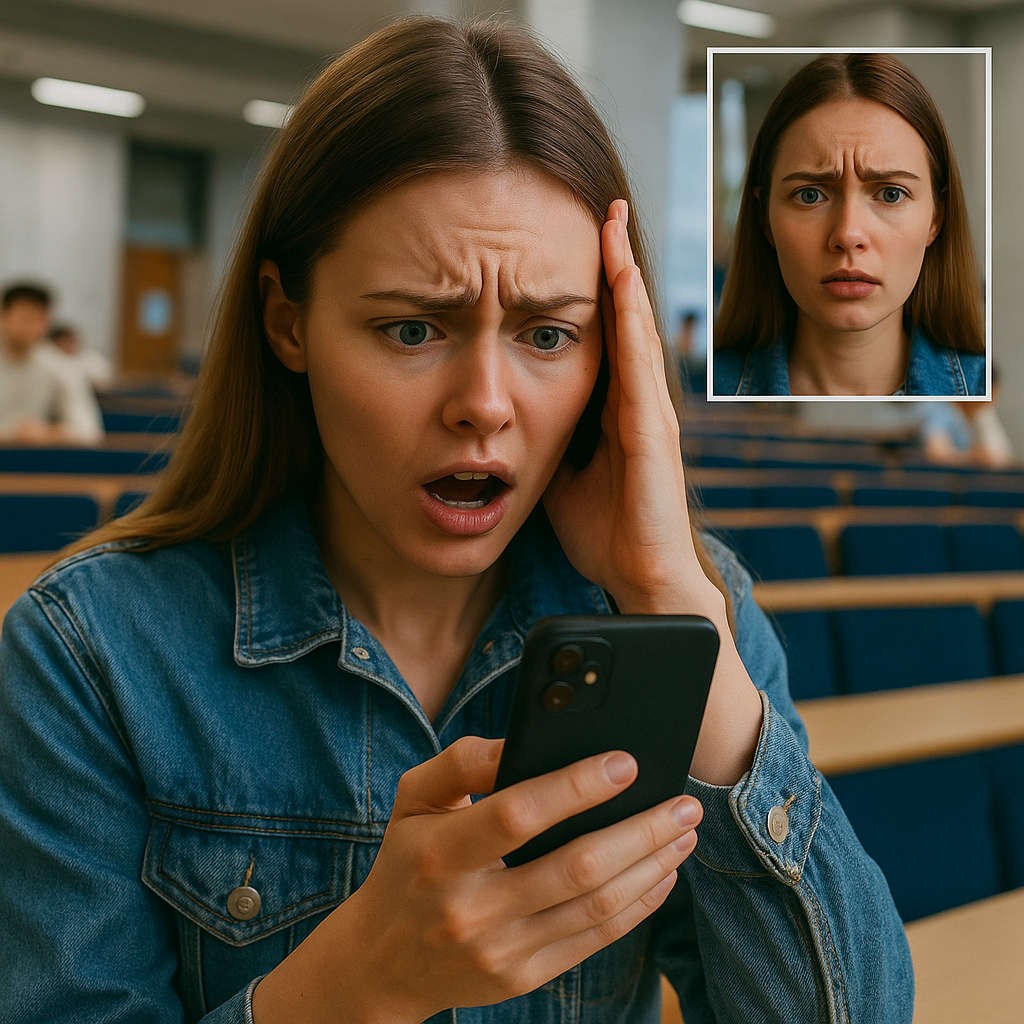
A well-known influencer is suddenly confronted with a video showing her allegedly illegal behavior. The recording is spreading rapidly on platforms such as TikTok and X (formerly Twitter). Only with precise analysis does it turn out: It is a manipulated deepfake video – created using publicly available images and AI technology. In the comments, she is insulted, defamed and covered with fake news.
The damage is enormous: advertising partners pause campaigns, followers turn away – and trust in the influencer’s brand erodes. Now is not only Personal rights violated, but also threatened the economic foundation.
Which rights apply to digital reputation damage?
Whether False assertion, slanderous comment Oder Deepfake: Whoever spreads untruths or manipulates the image of a person, reaches into their Right to your own image and personal honor. Depending on the extent and distribution, claims arise Omission, counter-statement, deletion and compensation considered.
Strategies for Defense Against Digital Attacks
- Evidence preservation: Screenshots, URLs, downloads of the material
- Platform complaints: Use of the reporting channels on TikTok, Instagram & Co.
- Legal steps: Cease-and-desist letter, action for injunctive relief, criminal charges for personal injury
- Public clarification: In close coordination with legal advice

Are you affected? Take legal action against reputational damage now!
Conclusion: Digital borders are also legal limits
Influencers are not fair game targets for hate speech or digital manipulation. Anyone who becomes a victim of deepfakes or defamation should not hesitate to defend themselves legally – quickly, well-founded and visible. We support you with a legal Initial assessment and represent their rights to platforms and perpetrators.
Frequently asked questions
When does criticism on the Internet become illegal?
Opinions are widely protected. Statements in the case of untrue factual claims, abusive criticism, formal insults or attacks on human dignity become unlawful.
How quickly do I have to take action against hate comments?
For a temporary injunction, you should act within about four weeks of knowledge, otherwise the matter is often no longer considered urgent. Secure evidence immediately.
Does the platform have to delete illegal content?
Yes According to the Digital Services Act, platforms must quickly check and remove reported illegal content. In the event of inactivity, claims can also exist directly against the platform.
Further information: Online reputation · Cease-and-desist letter and enforcement