
When Hasths lead to trademark infringement
Influencers are creative brand ambassadors – often without knowing it. Because anyone who uses foreign brand names, mentions or places them visibly, does not legally move in a vacuum. The Trademark and trademark law regulates very precisely Who may call what and how – and what as Violation of a protected trademark applies.
A (fictitious but practical) case shows how quickly a cooperation with a supposedly “harmless” hashtag becomes problematic in terms of trademark law.
The case: Stayreal – and the brand owner gets angry
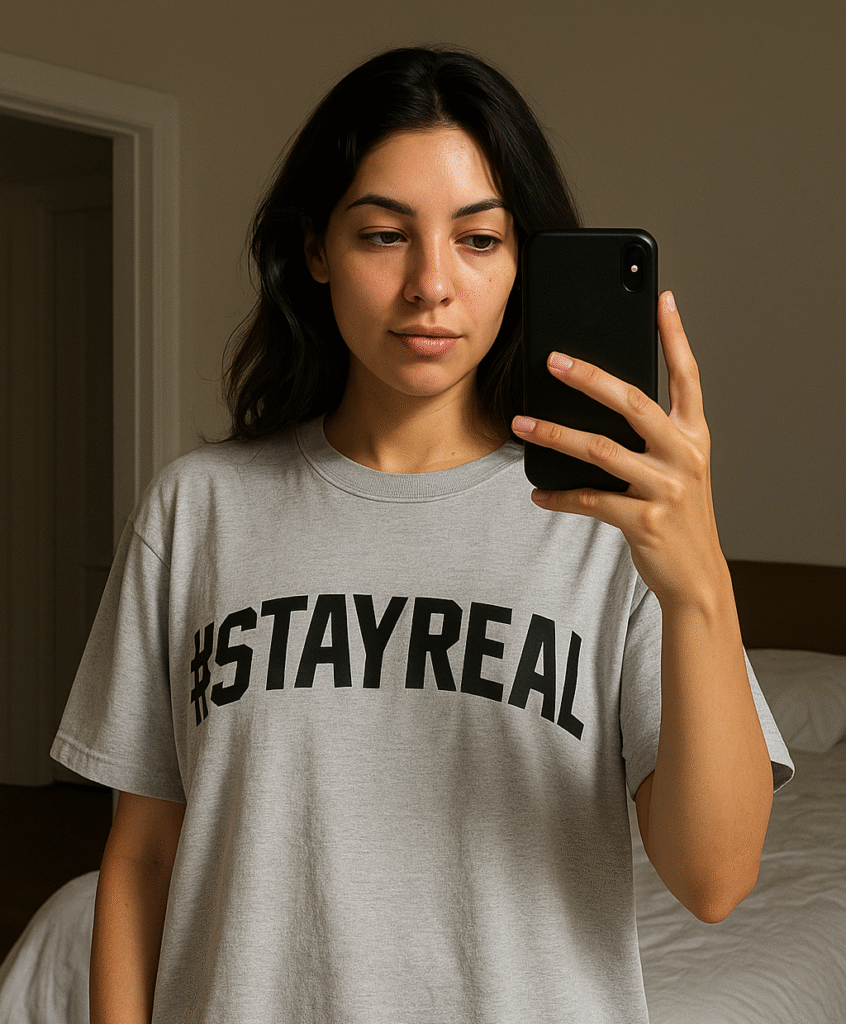
Lifestyle influencer “Nila” posts a reel with her morning routine. In the video she wears an unmarked oversize shirt with the imprint “#stayreal”, plus the hashtag #stayreal in the caption. No advertising, no cooperation – just a statement.
Three weeks later: a cease-and-desist letter from the lawyer for a fashion brand that “Stayreal” carries as a registered EU word mark for clothing. Allegation: infringement of trademark rights by using a protected sign in a license plate manner.
The case is constructed – but by no means unrealistic. Many brand owners observe exactly how their terms are used – especially online, especially through influencers.
What does trademark law actually protect?
The Trademark law protects protected characters – such as words, logos, slogans – before unauthorized use by third parties. What matters is:
- Risk of confusion or call use
- License plate use, e.g. B. as product labeling
- Also Hashtags or visualization on clothing can have a brand effect
Particularly relevant in the influencer area: Brands can also be violated if No commercial intention It is recognizable – for example through visual placement or associative use.
Where does the trademark infringement begin?
Lawyer Katharina Gitmann-Kopilevich of Horak Lawyers explained:
“Whether influencers consciously advertise or not – the reach of their content gives weight to the trademark assessment. Even the unauthorized use of a brand name in the posting can be problematic if it indicates origin or belonging.”
In the case of “Nila”, the trademark owner saw his protected brand In the context of clothing misused – even without a label or cooperation.
What can influencers do?
Basic rule: Be careful with distinctive terms, especially in connection with fashion, technology, cosmetics or food. Specifically:
- Do not prominently depict foreign brand logos or slogans, without permission
- Hashtags with brand names Only use after release
- Clearly identify cooperations – and vote with brand owners
- Designs, Imprints or Reels Check for protected elements
Conclusion: Trademark law is not a secondary show
Especially in the world of influencer marketing, personal and business are merged. The Trademark law pays close attention to limits – and consistently punishes overruns. cease-and-desist letters, cease-and-desist undertaking and high contractual penalties are not uncommon.
Horak Lawyers are at your disposal with your many years of experience Trademark and Media Law to the side. Attorney Katharina Gitmann-Kopilevich and our Local team in particular advises influencers, content creators and companies on a legally secure brand presence in social media.
Contact
Do you have questions about trademark law, the legally secure use of hashtags or cease-and-desist letters?
We advise you – well-founded, pragmatic and at eye level.