
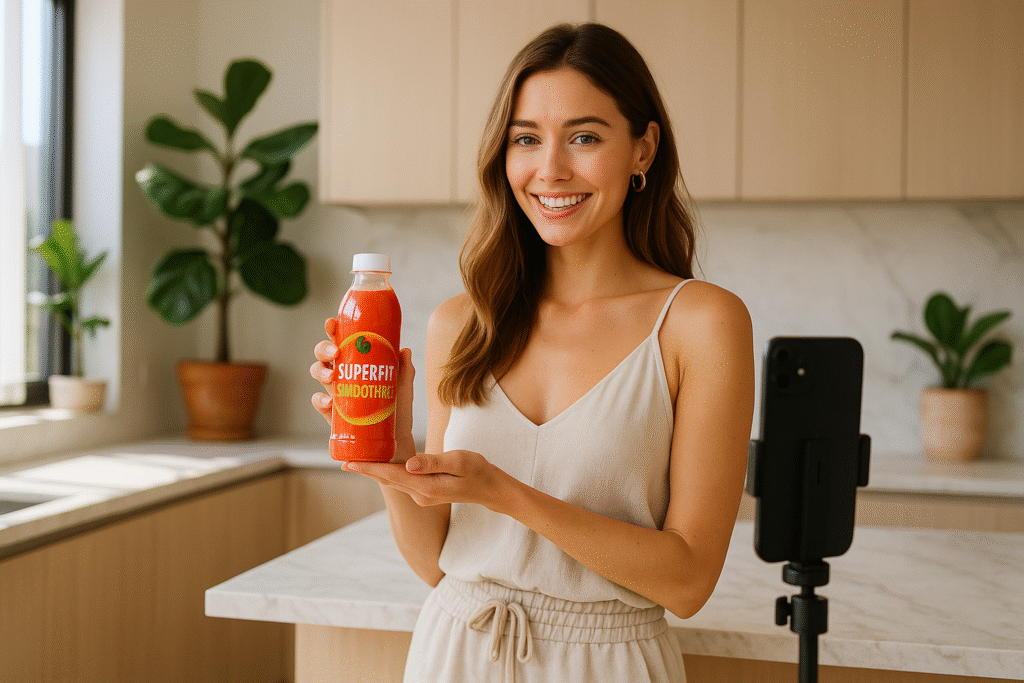
Influencer Luisa_Lifestyle is about to break through. Their reels dance on millions of screens, brands are knocking, and suddenly their first big cooperation agreement flutters into the house. A beverage manufacturer wants them to present their “Superfit Smoothie” in their stories – for €2,000 per month, six months.
Luisa is enthusiastic. She signs immediately.
A mistake?
The smoothie tastes bitter: What Luisa has overlooked
Two weeks later, there are problems:
- The brand demands that Luisa Three reels a week produces – but that was what it said not specifically in the contract.
- The contract forbids her to “Comparable Products” to advertise – what is that actually? Is a protein shake comparable?
- The manufacturer wants their content also use on your own channels – But without separate remuneration.
Luisa notices: The contract was not a stroke of luck. But a trap with a lid.
What should Luisa consider?
Here are the most important learnings from the case – without legal German:
1. Contract = script for the cooperation
An influencer contract should clearly regulate:
- How much content are to produce?
- On which channels do they appear?
- Is there Deadlines?
- Does the briefing of the brand have to be observed?
Luisa should have noticed: “3 reels per week” must be in writing – otherwise there will be discussions later.
2. Exclusivity: How far can she go?
The contract spoke of “comparable products”. Sounds harmless – but it’s a gray area.
🛑 Hint: Always narrow the exclusivity clauses exactly: Which brands? Which products? for what period of time?
An example:
“The influencer is committed not to advertise any products of the brands X, Y and Z in the ‘Fitness Drinks’ category during the term of the contract.”
3. Rights of use: What can the brand do with your content?
The manufacturer wanted to post Luisas Reels on his TikTok channel – without extra money.
Important: Whoever creates content retains copyright – but the brand needs Rights of useif she wants to use the material.
Rule of thumb:
“Post = Pay”. If the brand wants to use your content, it has to be in the contract – with remuneration and duration.
4. Payment: When does the money come?
Luisa’s contract was non-specific: “Remuneration: €2,000 per month”. But when exactly? After publication? at the end of the month? by invoice?
A good contract clarifies:
- Maturity
- Payment method
- Sales tax (especially important for small business regulations!)
Conclusion: The contract is your best friend – or your worst enemy
Influencers like Luisa don’t need 30-page legal texts – but also no gut decisions. Anyone who reads, understands (or allows them to understand) contracts can:
✅ Secure rights
✅ Avoid stress
✅ Appear professionally
And yes: even a contract can go viral – if it goes wrong.